String of Turtles Care Guide
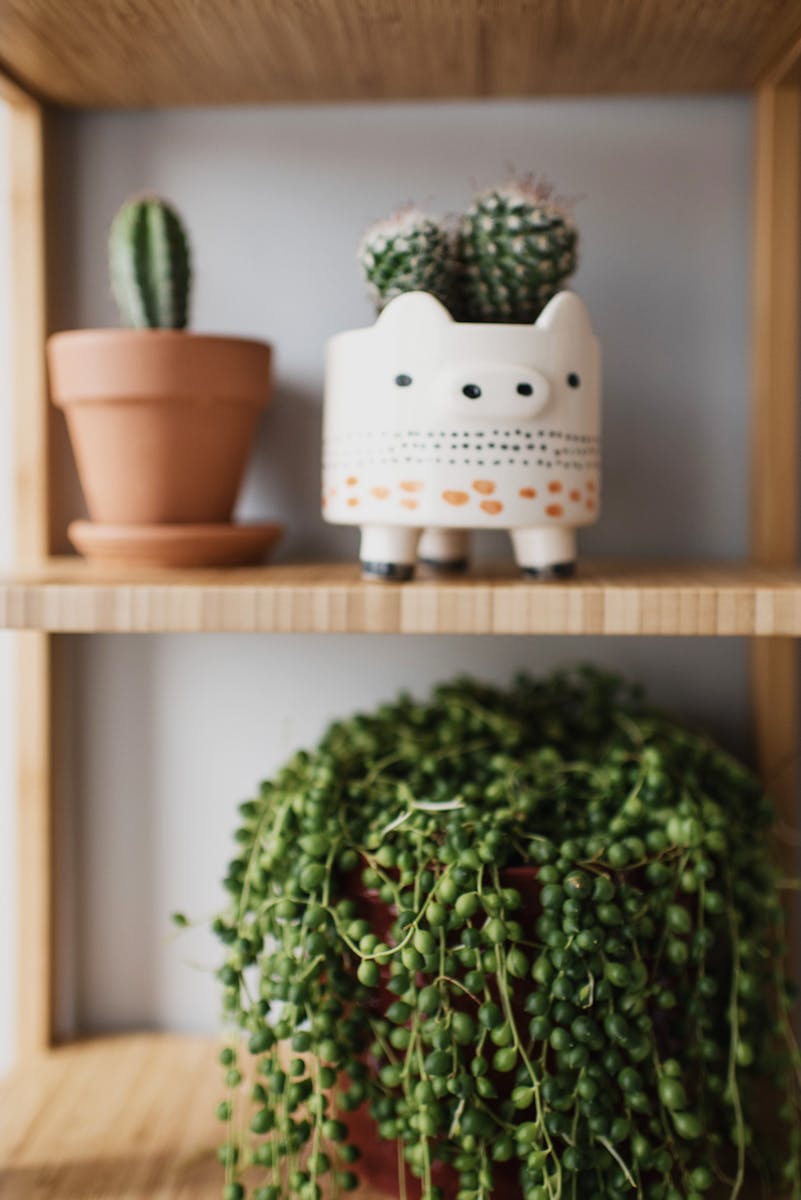
The String of Turtles (Peperomia prostrata) is a charming trailing houseplant native to the rainforests of Brazil, beloved for its miniature leaves that mimic the pattern of a turtle’s shell. With the right care, this semi-succulent rewards you with cascading vines that look stunning in hanging baskets, terrariums, and on shelves.
Key Takeaways
- Bright, indirect light for 6–8 hours daily keeps the shell pattern vivid and growth healthy.
- Overwatering is the number one killer — always let the top 1–2 inches of soil dry out before watering again.
- This plant thrives in 40–60% humidity, reflecting its tropical rainforest origins.
- It’s non-toxic to cats, dogs, and humans, making it a top pick for pet-friendly households.
- Stem tip cuttings root in 3–6 weeks, making propagation straightforward and rewarding.
What Is the String of Turtles?
Peperomia prostrata belongs to the Piperaceae family and originates from the tropical rainforests of Brazil. It’s one of those compact, low-maintenance houseplants that punches well above its weight in terms of visual impact.
The leaves are approximately 1 cm in diameter, displaying dark green veins over a lighter green base — a pattern that gives the plant its turtle-shell nickname. Vines trail up to 12 inches (30 cm) long, making it a perfect candidate for hanging displays and small spaces.
I’d rate it as beginner-to-intermediate in difficulty. If you’re exploring easy houseplants to start with, this one is genuinely hard to overlook.
Light Requirements
The string of turtles thrives in bright, indirect light for around 6–8 hours each day. Direct afternoon sun scorches the leaves and fades the distinctive variegation you’re trying to preserve.
North or east-facing windows are ideal placements indoors. If you only have south or west-facing windows, a sheer curtain will diffuse the harsh rays effectively.
In low-light spaces, full-spectrum LED grow lights placed 6–12 inches above the plant work well as a supplement. It’s also worth considering that insufficient light leads to leggy stems and pale, washed-out foliage — a clear sign the plant wants more brightness. If you’re working with limited natural light, check out these low light hanging plants that can thrive in trickier conditions.
Temperature and Humidity
The ideal temperature range for this plant sits between 65–85°F (18–29°C). It cannot survive frost or temperatures below 50°F (10°C), so keep it well away from cold drafts and outdoor exposure in winter.
As a rainforest native, it craves humidity levels between 40–60% or higher. Standard home environments — especially in winter with heating systems running — often drop below this range.
There are several practical ways to boost humidity around your plant:
- Group plants together to create a microclimate
- Place the pot on a pebble tray filled with water
- Use a small humidifier nearby
- Grow it inside a terrarium for consistent moisture levels
Low humidity presents as crispy, shriveled leaf edges — one of the more telling distress signals this plant gives.
Watering Guide
Water only when the top 1–2 inches of soil are dry — that’s roughly every 7–14 days during the growing season. In winter, that frequency drops to every 14–21 days.
The soak-and-drain method works best. Pour water thoroughly through the pot, then let it drain completely — never let it sit in standing water.
Overwatering is the leading cause of death in this species. It results in root rot, mushy stems, and yellowing leaves. On the flip side, underwatering shows up as wrinkled or deflated leaves, which are easier to recover from than root rot.
Soil and Potting
A fast-draining mix is essential for this plant’s health. I recommend combining 50% potting soil, 25% perlite, and 25% orchid bark for the best results. A cactus or succulent mix with added perlite is a solid alternative.
Terracotta pots with drainage holes are the ideal container choice since they allow excess moisture to escape and let the roots breathe. Plastic pots retain moisture longer, which increases the risk of overwatering.
This plant actually does best slightly root-bound. Repot every 2–3 years, moving up just one pot size at a time — too large a pot holds excess moisture that can cause problems. It’s one of those genuinely great small houseplants that doesn’t need much space to thrive.
Fertilizing
Feed your plant with a balanced liquid fertilizer (10-10-10 NPK) at half strength, once per month during spring and summer. Suspend feeding entirely in fall and winter when the plant’s growth naturally slows.
Over-fertilizing is a real risk. It causes salt buildup in the soil and root tip burn, which stunts growth rather than promoting it. Less is genuinely more here.
How to Propagate String of Turtles
Stem tip cuttings are the most effective propagation method for this plant. Cut a 2–3 inch stem with 2–3 nodes using sterilized scissors, then remove the lower leaves before planting.
Place the cutting in moist perlite, sphagnum moss, or well-draining soil. Covering the cutting with a clear plastic bag boosts humidity around the cutting and accelerates rooting considerably.
Roots typically form in 3–6 weeks. Spring or early summer is the best time to propagate, as the plant is actively growing and cuttings root more reliably. Leaf propagation is technically possible but slower and less consistent in my experience.
Common Pests and Problems
Even a well-cared-for plant can run into trouble. Here are the most common issues and how to address them:
- Root rot — caused by overwatering or poor drainage. Trim rotten roots, treat with hydrogen peroxide, and repot in fresh, dry mix.
- Mealybugs — white cottony pests found in leaf axils. Treat with 70% isopropyl alcohol or neem oil.
- Fungus gnats — a sign the soil is staying too moist. Let it dry out more between waterings and use sticky traps.
- Spider mites — thrive in low humidity. Treat with insecticidal soap and raise the surrounding humidity.
- Leggy growth — a clear indicator of insufficient light. Move to a brighter spot or add a grow light.
- Leaf drop or shriveling — usually points to temperature stress or critically low humidity.
Catching these problems early makes all the difference. Regularly checking the undersides of leaves and the soil moisture level keeps most issues from escalating.
Is It Safe for Pets?
This is one of the biggest selling points of the Peperomia prostrata. It’s confirmed non-toxic to cats, dogs, and humans, making it one of the safest trailing houseplants you can bring into a home with curious pets or young children.
That combination of safety, striking appearance, and manageable care requirements makes the string of turtles genuinely one of the most rewarding houseplants to grow — whether you’re a first-time plant owner or an experienced collector adding something special to your collection.