Thriving with North-Facing Windows: The Ultimate Guide to Plant Care
Homes adorned with plants often exude a sense of tranquility and beauty. However, achieving an indoor oasis may seem challenging when faced with north-facing windows. These windows, known for limited light exposure, pose unique considerations for green enthusiasts. Selecting the right plants that thrive in low-light conditions is crucial to ensuring their healthy growth and vitality.
Characteristics of North-Facing Windows
North-facing windows present specific environmental characteristics ideal for particular plant varieties but not all. The light intensity emanating from these windows is softer, and the duration shorter, compared to other directions. Additionally, the ambient temperature tends to be cooler, with varying levels of humidity. These factors all contribute to the challenges of growing certain plant types, particularly those that depend on abundant sunlight.
Criteria for Selecting Plants for North-Facing Windows
To flourish in these conditions, plants must meet specific requirements. Essential among them is the ability to tolerate low-light environments. It’s also important to consider their watering needs, ensuring they receive adequate moisture without leading to root rot. Moreover, the plant’s adaptability to temperature fluctuations will significantly impact its health.
Top Plant Species for North-Facing Windows
Low-Light Loving Plants
Peace Lily (Spathiphyllum spp.)
Renowned for its easy-care nature, the Peace Lily thrives in low-light conditions, making it a popular choice for north-facing windows. Its lush, glossy leaves add to any indoor aesthetic while purifying the air.
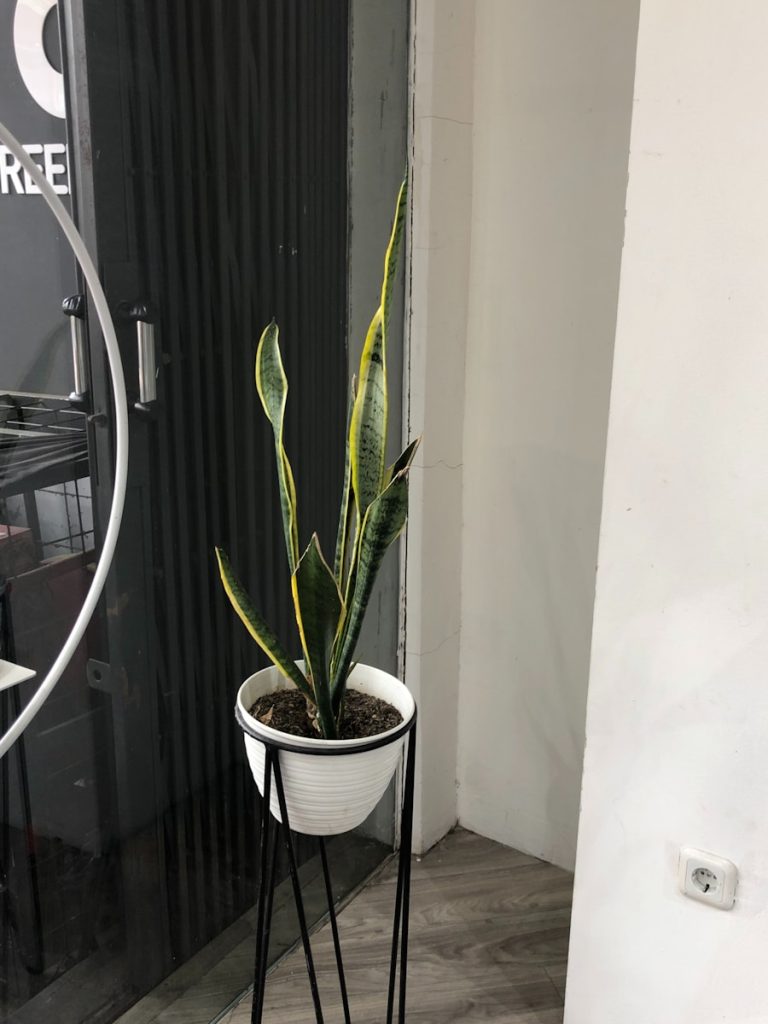
Snake Plant (Sansevieria spp.)
The resilient Snake Plant not only survives but thrives in conditions with minimal light. Known for its architectural leaves, this plant is a perfect match for spaces where other species may struggle.
Plants with Unique Foliage
ZZ Plant (Zamioculcas zamiifolia)
Appreciated for its striking, waxy foliage, the ZZ Plant is incredibly hardy. It tolerates low light and infrequent watering, making it an ideal choice for beginners and for homes with lower natural light.
Pothos (Epipremnum aureum)
Pothos, with its trailing vines and variegated leaves, adds vibrancy to any room. Its low-maintenance nature and ability to thrive in low light make it a versatile addition to any indoor plant collection.
Flowering Plants
African Violet (Saintpaulia spp.)
African Violets are beloved for their charming blooms and ease of care. Positioned near a north-facing window, they can add a splash of color without the need for direct sunlight.
Cyclamen (Cyclamen persicum)
Cyclamen, with its striking flowers and patterned leaves, is another excellent choice. It prefers cooler temperatures, which pair well with the conditions typical of north-facing windows.
Care Tips for North-Facing Window Plants
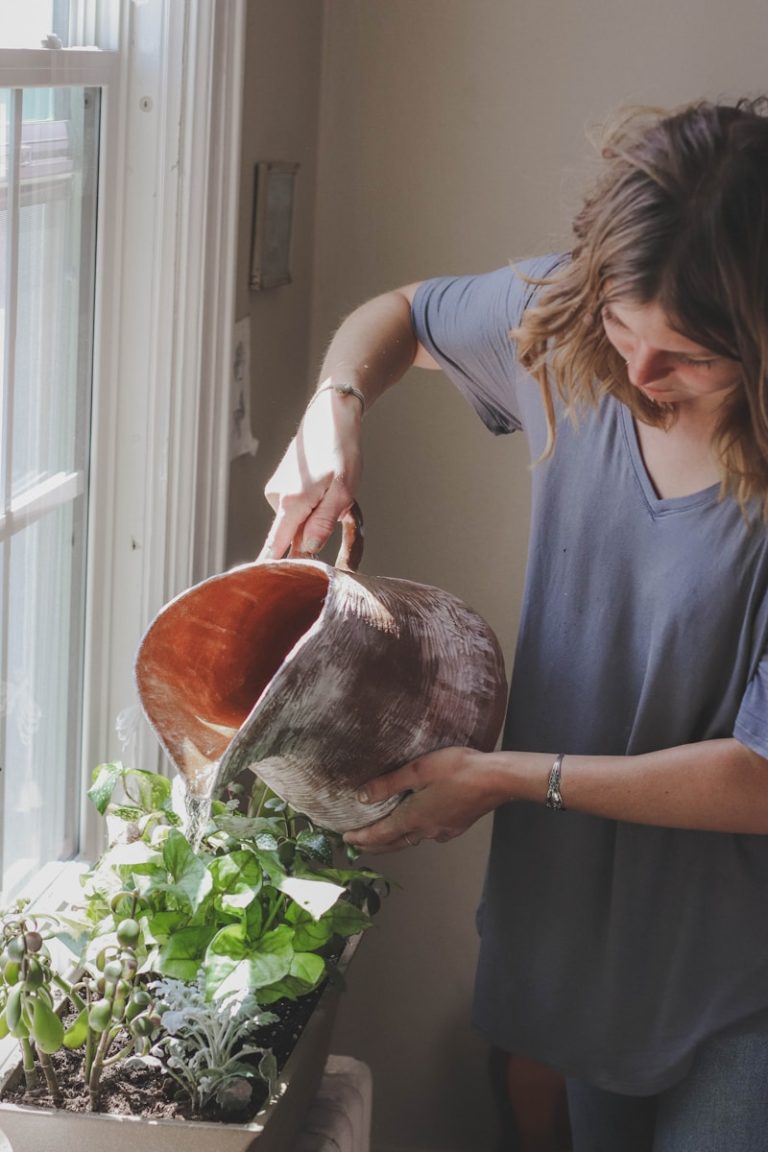
Caring for plants in these conditions requires a tailored approach. Adjust watering schedules to accommodate reduced evaporation rates. For plants struggling with low light, consider supplemental lighting options. Regular pruning and grooming will also ensure your plants remain healthy and vibrant despite the limited natural light.
Common Problems and Solutions
Plants in north-facing windows may exhibit signs of inadequate light, such as yellowing leaves or leggy growth. Address these issues by using LED grow lights. If pests or diseases appear, the immediate treatment will prevent further damage. Additionally, regular fertilization using balanced plant food can compensate for limited natural resources.
Conclusion
Selecting plants suited for north-facing windows not only enhances indoor spaces but supports the plants’ health and longevity. As you cultivate your indoor garden, embrace the opportunity to experiment with different species. By understanding and adapting to the specific conditions of north-facing windows, you’ll enjoy a thriving and beautiful plant collection.
Additional Resources
For further insight into plant care, consider exploring recommended books or guides that delve into indoor gardening topics. Joining online communities and forums can also provide support and inspiration from fellow plant enthusiasts, creating a vast network of shared knowledge and experience.